As experiential strategists, We’ve often wondered how to turn passive attendees into active participants. The key to success lies in creating interactive events that cater to the needs of the audience. By incorporating engaging elements, such as polls, games, and brainstorming activities, we can encourage attendees to participate and contribute to the conversation. This is especially important in corporate event planning, where event marketing services can make or break the success of an event.
According to recent statistics, 49% of marketers identify audience engagement as their biggest challenge during virtual events. However, events that utilize live polls experience a 15% increase in attendee engagement. This highlights the importance of incorporating interactive elements into our events to drive customer engagement and boost retention rates.
In the world of corporate event planning, event marketing services play a crucial role in creating engaging experiences for attendees. By understanding the needs and preferences of our audience, we can design events that cater to their interests and encourage active participation. Whether it’s through live polls, Q&A sessions, or networking activities, the goal is to create an immersive experience that leaves a lasting impression on our attendees.
Key Takeaways
- Interactive events can increase attendee engagement by 15% through live polls and other engaging elements.
- Corporate event planning requires careful consideration of event marketing services to drive customer engagement.
- Personalized experiences can lead to higher engagement levels and increased attendee satisfaction.
- Real-time interaction tools can increase participation rates by addressing the comfort levels and preferences of different audience demographics.
- Event marketing services can help create immersive experiences that leave a lasting impression on attendees.
Understanding the Power of Interactive Event Experiences
As we delve into the world of event marketing services, it’s essential to recognize the significance of interactive event experiences in creating lasting impressions on attendees. By incorporating engaging elements, such as games, polls, and immersive activities, event organizers can increase attendee participation and retention. This, in turn, can lead to higher event ROI and a greater likelihood of attendees becoming repeat visitors and advocates.
When it comes to brand activation events, interactive experiences play a crucial role in fostering brand loyalty and memory. By providing attendees with unique and memorable experiences, brands can create a lasting impact and increase the chances of attendees becoming loyal customers. As we explore the psychology behind active participation, we’ll discover the benefits of engaged vs passive attendance and how it can impact brand memory and loyalty.
Some key benefits of interactive event experiences include increased attendee satisfaction, improved retention rates, and enhanced brand loyalty. By incorporating interactive elements, such as virtual reality, augmented reality, and gamification, event organizers can create immersive and engaging experiences that leave a lasting impression on attendees. Whether it’s through live polls, Q&A sessions, or social media engagement, interactive event experiences have the power to transform the way we interact with events and brands.
Pre-Event Planning Strategies for Maximum Engagement
When it comes to creating engaging events, pre-event planning is crucial. As experts in strategic live events, we can attest that identifying goals and objectives, segmenting the audience, and brainstorming engagement solutions are essential steps in the planning process. By doing so, we can create an event that resonates with the audience and leaves a lasting impression.
In the context of corporate event planning, it’s essential to consider the needs and interests of the attendees. This can be achieved by offering personalized content tracks, incorporating wellness activities, and providing opportunities for networking and interaction. According to recent statistics, 80% of attendees say networking opportunities are a primary reason for attending events, and 76% of attendees feel more engaged when interactive content is utilized during events.
Some effective pre-event planning strategies include:
- Using social media to create buzz and encourage engagement
- Offering contests and giveaways to incentivize attendance
- Implementing push notifications to remind attendees of activities and sessions
- Creating customized invitations to boost engagement and attendance rates
By incorporating these strategies into our pre-event planning, we can increase attendee engagement, boost satisfaction rates, and ultimately drive business results. As we continue to explore the world of event planning, it’s essential to stay focused on the needs and interests of our attendees, and to continually adapt and evolve our strategies to meet their changing needs.
Tips for Creating Interactive Events for Customer Engagement
When it comes to creating interactive events, we need to think about how to engage our audience and make them active participants. We can attest that interactive elements, such as polls, games, and brainstorming activities, can help keep attendees engaged. In fact, 70% of attendees prefer interactive formats over traditional presentations, indicating a clear demand for engagement-driven events.
To create such events, we can design participatory activities, incorporate digital elements, and create social media integration points. For instance, we can use live polls or Q&A sessions to increase audience interaction during presentations. We can also incorporate gamification into events, which can lead to a 60% increase in audience engagement, transforming attendees into active participants rather than passive listeners.
Designing Participatory Activities
Designing participatory activities is crucial for creating interactive events. We can use various techniques, such as hands-on demos, workshops, and masterclasses, to engage our audience. For example, hands-on demos have shown to improve product understanding and customer interest by as much as 60%. We can also use interactive food and drink stations to promote networking and increase interactivity during social elements of the event.
Incorporating Digital Elements
Incorporating digital elements, such as mobile apps and social media walls, can also enhance attendee engagement. Approximately 84% of event marketers state that using technology, such as mobile apps, increases attendee engagement during events. We can use social media walls to display real-time posts and increase online engagement by 35%, thereby extending the event’s reach beyond physical attendees.
Creating Social Media Integration Points
Creating social media integration points is essential for creating interactive events. We can use live social media campaigns to lead to a 45% increase in event-related posts, fostering attendee interaction. We can also use quizzes related to event themes to enhance knowledge retention by 30%, with engaged participants showing higher satisfaction ratings.
Technology Solutions that Drive Active Participation
When it comes to creating engaging strategic live events, technology plays a vital role. By leveraging the right tools, we can drive active participation and create a memorable experience for attendees. In the context of corporate event planning, this is especially important, as it can lead to increased engagement, satisfaction, and retention among participants.
Some key technology solutions include mobile event apps, which provide attendees with a centralized platform for information, interaction, and feedback. Interactive polling and survey tools allow for real-time feedback and engagement, while virtual reality and augmented reality options offer immersive experiences that can simulate environments, products, or services.
These solutions can be particularly effective in corporate event planning, where the goal is to create an engaging and interactive experience for attendees. By incorporating these technologies, event planners can increase participation, feedback, and overall satisfaction, ultimately leading to a more successful and memorable event.
| Technology Solution | Benefits |
|---|---|
| Mobile Event Apps | Centralized information, interaction, and feedback |
| Interactive Polling and Survey Tools | Real-time feedback and engagement |
| Virtual Reality and Augmented Reality Options | Immersive experiences, simulated environments, products, or services |
Creating Memorable Brand Activation Moments
As we explore the world of experiential marketing, it’s clear that brand activation events are powerful tools that turn theoretical product appeal into tangible experiences. By designing events that resonate with the audience and leave a lasting impression, we can create memorable brand activation moments that drive customer engagement.
So, what makes a brand activation event successful? It all starts with identifying goals and objectives, segmenting the audience, and brainstorming engagement solutions. By doing so, we can create events that are tailored to our target audience and leave a lasting impression. For instance, can be used to create an immersive experience that boosts brand recall by up to 65%.
Some key statistics to keep in mind when planning brand activation events include:
- Engaged consumers are 50% more likely to make a purchase after participating in an interactive brand activation.
- Events with clearly defined objectives report a 70% higher success rate in achieving marketing goals.
- Audience alignment increases event attendance rates by approximately 30%.
By incorporating event marketing services into our strategy, we can create memorable brand activation moments that drive customer loyalty and increase sales. Whether it’s through interactive activities, social media integration, or immersive experiences, the key is to create an engaging and memorable experience that leaves a lasting impression on our audience.
Building Community Through Group Activities
As we explore the world of corporate event planning and strategic live events, it’s essential to recognize the significance of group activities in building a strong community. By incorporating interactive elements, such as polls, games, and brainstorming activities, we can keep attendees engaged and encourage participation.
In the context of corporate event planning, group activities can be a powerful tool for fostering connections and driving customer engagement. Strategic live events can benefit from incorporating team challenges, competitions, and collaborative problem-solving sessions to create a memorable experience.
Networking Games and Icebreakers
Networking games and icebreakers are excellent ways to get attendees interacting with each other. These activities can be as simple as a scavenger hunt or a team-building exercise, and they can help break the ice and establish a sense of community.
Team Challenges and Competitions
Team challenges and competitions can add an extra layer of excitement to your event. By encouraging attendees to work together to achieve a common goal, you can create a sense of camaraderie and shared purpose.
Collaborative Problem-Solving Sessions
Collaborative problem-solving sessions can be a powerful way to drive engagement and encourage attendees to think creatively. By providing a platform for attendees to share their ideas and work together to solve a problem, you can create a truly immersive experience.
Some key statistics to consider when planning group activities include:
- 60% of community members are more likely to engage when they receive personalized welcome messages.
- 30% of users who receive “we miss you” messages re-engage with the community within the first week.
- Communities with gamification elements, such as badges and leaderboards, report a 40% increase in participation rates among active users.
| Activity | Participation Rate |
|---|---|
| Networking Games | 25% |
| Team Challenges | 30% |
| Collaborative Problem-Solving Sessions | 40% |
By incorporating these group activities into your corporate event planning and strategic live events, you can create a truly engaging and immersive experience for your attendees.
Leveraging Physical Space for Engagement
When it comes to creating immersive experiences, the physical space of an event plays a crucial role. By leveraging this space, we can encourage attendees to participate and contribute to the conversation. As we explore the strategies for leveraging physical space, we’ll discover how event marketing services can help drive engagement and create memorable brand activation events.
One key aspect of physical space is its ability to provide a unique and personalized experience. With the help of event marketing services, brands can design spaces that cater to their target audience’s needs and preferences. For instance, a well-designed venue can offer a range of food and beverage options, comfortable seating, and interactive activities that foster engagement. By incorporating these elements, brands can create an immersive experience that attendees will remember long after the event is over.
Some examples of successful physical space designs include pop-up stores and interactive exhibits. These spaces offer a unique and exclusive experience that encourages social sharing and drives engagement. By leveraging the physical space, brands can create a memorable experience that attendees will associate with their brand, ultimately leading to increased customer loyalty and retention.
To maximize the impact of physical space, brands should consider the following strategies:
- Design interactive activities that encourage participation and engagement
- Offer personalized experiences that cater to the target audience’s needs and preferences
- Incorporate technology, such as augmented reality and virtual reality, to enhance the experience
| Strategy | Benefits |
|---|---|
| Interactive activities | Encourages participation and engagement |
| Personalized experiences | Caters to target audience’s needs and preferences |
| Technology integration | Enhances the experience and drives engagement |
Training Staff to Facilitate Interactive Experiences
As we delve into the world of strategic live events and corporate event planning, it’s essential to recognize the crucial role that staff training plays in creating memorable experiences. By investing in interactive training methodologies, organizations can significantly boost engagement and collaboration among participants.
According to training expert Juan Otero, high levels of participation during training sessions are indicators of successful knowledge retention and employee engagement. This is especially true when interactive elements like polls, quizzes, and games are incorporated into the training process. By creating a culture of learning within a company, we can maximize the return on investment in training resources and ensure that employees gain the necessary skills.
Some key strategies for training staff to facilitate interactive experiences include:
- Utilizing collaborative technology to enhance interactivity
- Creating a cohesive learning experience with strong visuals
- Fostering a culture of continuous learning and improvement
By adopting these strategies, organizations can reduce knowledge retention gaps and create a more engaging and immersive experience for their staff. As we explore the world of strategic live events and corporate event planning, it’s clear that investing in staff training is essential for driving customer engagement and creating lasting memories.
Measuring Engagement Success
As we explore the world of event marketing services and brand activation events, it’s essential to measure engagement success. But how do we do it? One way is to track key performance indicators (KPIs) such as customer satisfaction, loyalty, and retention. By analyzing these metrics, we can identify areas for improvement and optimize our event marketing strategies.
Here are some key metrics to consider:
- NPS: measures customer loyalty and satisfaction
- CLV: calculates the total value of a customer over their lifetime
- CSAT: measures customer satisfaction with a product or service
By tracking these metrics and using the insights gained to inform our event marketing strategies, we can create brand activation events that truly engage and resonate with our target audience. And with the help of technology and data analysis, we can refine our approaches to maximize the impact of our event marketing services.
So, how can you start measuring engagement success for your event marketing services and brand activation events? Start by identifying your key metrics and tracking them regularly. Use the insights gained to refine your strategies and optimize your events for maximum impact.
| Metric | Definition | Importance |
|---|---|---|
| NPS | Measures customer loyalty and satisfaction | High |
| CLV | Calculates the total value of a customer over their lifetime | Medium |
| CSAT | Measures customer satisfaction with a product or service | High |
Overcoming Common Interactive Event Challenges
When it comes to hosting strategic live events, we often face common challenges that can impact the overall experience. As seasoned event strategists, we’ve learned that being prepared is key to overcoming these obstacles. One of the primary concerns is technical glitches, which can cause attendee dissatisfaction. In fact, studies show that 25% of online event participants have experienced significant interruptions.
To mitigate this risk, it’s essential to invest in reliable technology and have a backup plan in place. Another challenge is low engagement rates, which can leave up to 60% of participants feeling disconnected. To combat this, we can incorporate interactive elements, such as live polls and quizzes, which can increase participant engagement by over 40%.
Effective corporate event planning also requires careful consideration of factors like venue space, food and beverage options, and registration. By thinking radically about meeting design, we can create a more immersive and engaging experience for our attendees. Some key strategies for overcoming common interactive event challenges include:
- Conducting thorough risk assessments and having contingency plans in place
- Investing in reliable technology and technical support
- Incorporating interactive elements and gamification to boost engagement
- Personalizing the event experience through tailored content and communications
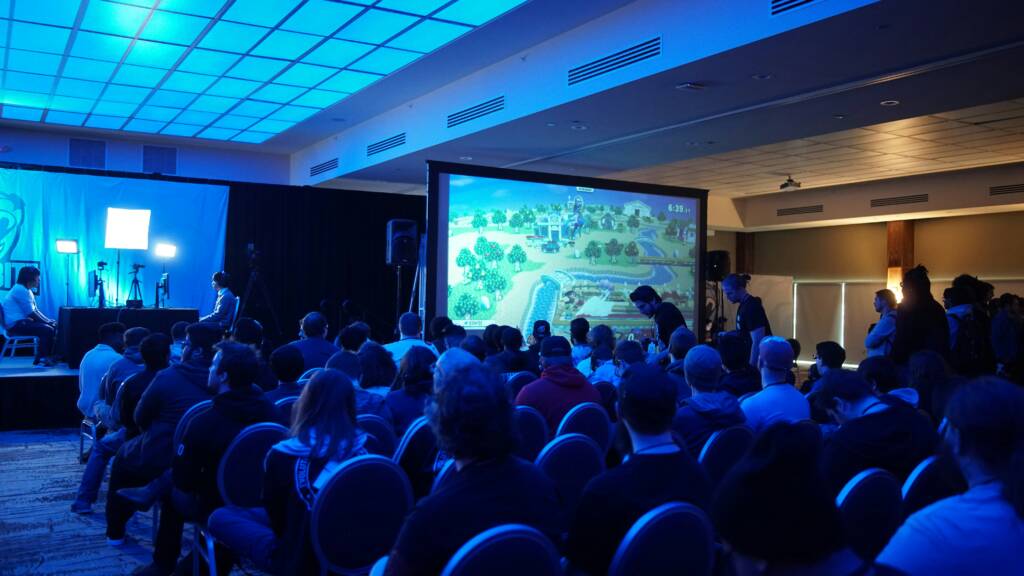
By being proactive and prepared, we can overcome common interactive event challenges and create a memorable and engaging experience for our attendees. Whether it’s a strategic live event or a corporate event planning initiative, the key is to prioritize the attendee experience and be flexible and adaptable in the face of challenges.
| Challenge | Solution |
|---|---|
| Technical glitches | Invest in reliable technology and have a backup plan |
| Low engagement rates | Incorporate interactive elements and gamification |
| Poor event design | Think radically about meeting design and prioritize attendee experience |
Conclusion: Transforming Your Event Strategy for Lasting Impact
In conclusion, transforming your event strategy to create interactive and engaging brand activation events is crucial in driving customer engagement and loyalty. By incorporating the strategies and tips outlined in this article, you can craft a memorable event that leaves a lasting impression on your audience. Remember, the key to success lies in understanding your audience, designing participatory activities, and leveraging innovative event marketing services to drive active participation.
With the right approach and planning, you can create an event that not only captivates your attendees but also strengthens their connection to your brand. By fostering meaningful interactions and encouraging active involvement, you can cultivate a sense of community and loyalty that extends far beyond the event itself. Ultimately, this holistic event strategy will lead to a lasting impact on your brand, driving increased engagement, loyalty, and long-term success.