Welcome to our guide on boutique event planning! In recent years, boutique event planning has become an increasingly popular approach to event management. Unlike traditional event planning, boutique event planning offers a more personalized and exclusive experience, tailored to the unique needs and preferences of clients.
At its core, boutique event planning is about creating intimate and engaging events that leave a lasting impression on attendees. Whether it’s a corporate gathering, a wedding, or a charity benefit, boutique event planning involves a meticulous attention to detail and a commitment to delivering exceptional service.
Throughout this guide, we’ll explore the various facets of boutique event planning, including managing events locally versus on a nationwide scale, executing complex events across multiple locations, and staying ahead of the latest event trends and creative ideas.
So whether you’re a seasoned event planner or a newcomer to the industry, get ready to dive into the exciting world of boutique event planning!
Local vs. Nationwide Boutique Event Planning
When it comes to boutique event planning, there are unique considerations to take into account depending on whether the event is local or nationwide. While both require attention to detail and a personalized touch, there are distinct differences in managing events in a single location versus across multiple areas.
Local Boutique Event Planning
When planning a boutique event locally, it’s essential to have a deep understanding of the community and culture. This includes knowledge of the area’s customs, traditions, and preferences to ensure that the event is tailored to the audience. In addition, seeking out local vendors and suppliers can add an authentic touch to the event and enhance the overall experience for attendees.
Local boutique event planning may also require less travel and logistics, as everything can be managed from a single location. However, careful attention must be paid to venue selection, as it is essential to find a location that meets the unique needs of the event and provides the desired atmosphere.
Nationwide Boutique Event Planning
Planning a boutique event on a nationwide scale presents its own set of challenges. It requires careful coordination across multiple locations, including travel arrangements, venue selection, and vendor management. Consistency across all event elements must be maintained, including branding, messaging, and experience, to ensure a seamless and memorable event for attendees.
Technology and remote communication tools can help streamline the planning process and facilitate collaboration among team members working on different aspects of the event. It’s also important to consider the unique needs and preferences of each location and audience to ensure a personalized and impactful experience.
| Local Boutique Event Planning | Nationwide Boutique Event Planning |
|---|---|
| Deep understanding of local community and culture | Coordination across multiple locations |
| Local vendor and supplier selection | Maintaining consistency across all event elements |
| Less travel and logistics | Use of technology and remote communication tools |
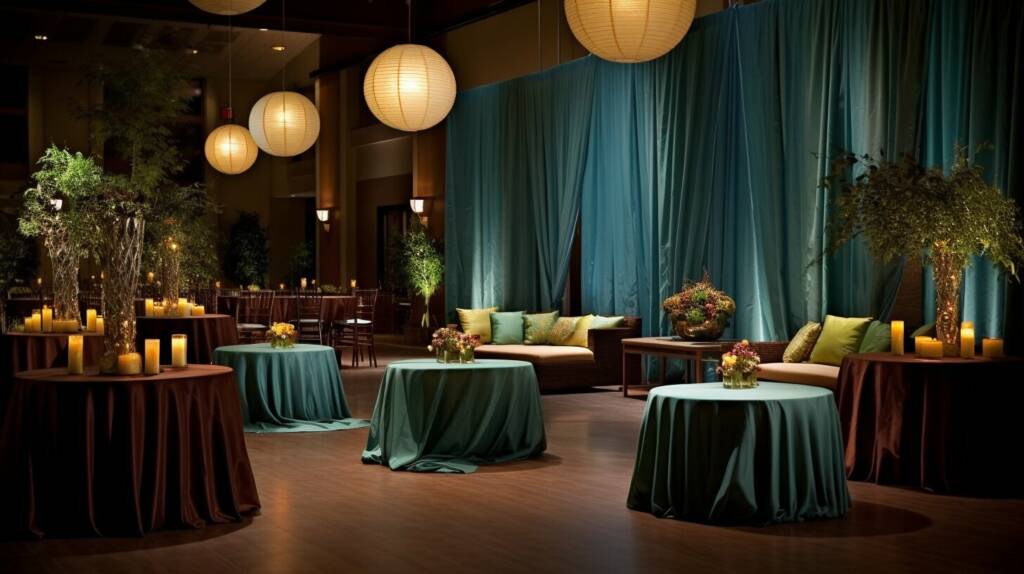
Whether planning a boutique event locally or nationally, each requires a tailored approach that takes into account the unique needs and expectations of the audience. By understanding the intricacies of each, boutique event planners can create exceptional events that leave a lasting impact on attendees.
Managing Unique Local Boutique Events
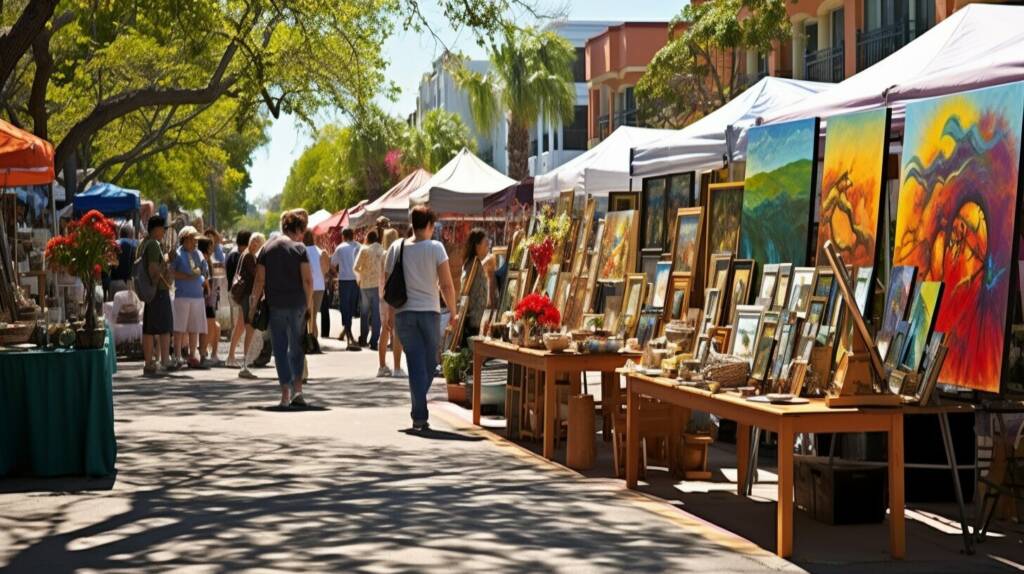
Managing local boutique events requires a detailed understanding of the region’s culture, traditions, and preferences. Event planners must be familiar with the local vendors and suppliers, as well as the unique location-specific characteristics that can elevate the event experience for attendees.
One crucial aspect of managing local boutique events is finding vendors that can add authenticity and local flavor to the event. This can include catering companies that specialize in local cuisine, florists that use native flowers, and musicians that play traditional music.
For example, if you are planning a boutique event in New Orleans, you should consider having a jazz band play during the reception or using Mardi Gras colors in the event decor. These small touches can make a big difference in creating a memorable and authentic event experience.
However, event planners must also be mindful of any potential cultural sensitivities when planning local boutique events. It is essential to research the local customs and traditions to ensure that the event is respectful and appropriate.
Key Consideration: Location
The location of the event is a critical factor in managing unique local boutique events. The venue must align with the event’s theme and provide a suitable atmosphere while adhering to any local regulations or restrictions.
For example, if you are planning a beachside event in Hawaii, you must consider environmental factors such as tides and weather conditions that may impact the event’s success. Additionally, it is essential to find a venue that provides the necessary amenities, such as restrooms, parking, and electricity.
Overall, managing unique local boutique events requires careful planning, attention to detail, and a deep understanding of the local culture. By incorporating location-specific elements and finding local vendors, event planners can create a truly authentic and unforgettable event experience for attendees.
Executing Nationwide Boutique Events
Planning boutique events on a nationwide scale presents a unique set of challenges that require careful consideration and planning. One of the main logistical hurdles is coordinating multiple locations to ensure a consistent and cohesive event experience. This requires detailed planning and communication to ensure that each location is equipped with the necessary resources and support to execute the event successfully.
Another key consideration is the management of travel arrangements for participants, staff, and vendors. This can be a significant challenge, particularly when dealing with large-scale events that involve a large number of people. Coordinating flights, hotel accommodations, and ground transportation can be time-consuming and complex, requiring a dedicated team to manage it effectively.
Technology can play a critical role in streamlining the planning and execution of nationwide boutique events. Remote communication tools, such as video conferencing and online collaboration platforms, can help to facilitate communication and ensure that everyone is on the same page. Event planning software can also help to manage logistics, budgets, and timelines, allowing for more efficient and effective planning.
Despite the challenges, executing nationwide boutique events can be an incredibly rewarding experience. By leveraging technology and strategic planning, event planners can create memorable and impactful experiences that leave a lasting impression on attendees.
Managing Multiple Locations
Managing multiple locations is one of the most significant challenges associated with executing nationwide boutique events. This requires careful planning and communication to ensure that each location is equipped with the necessary resources and support to execute the event successfully.
One effective approach is to establish a clear chain of command, with a designated point of contact at each location responsible for liaising with the main planning team. This can help to ensure that everyone is kept up to date with the latest information and that any issues are addressed promptly.
Another important consideration is the need for consistent branding and messaging across all locations. This requires careful planning and coordination to ensure that each location adheres to the same standards and guidelines.
Logistics and Travel Management
Managing logistics and travel arrangements for nationwide boutique events can be a complex and time-consuming process. This requires careful planning and coordination to ensure that everyone involved in the event is well-prepared and able to participate effectively.
One effective approach is to establish a clear travel policy that outlines the necessary arrangements and requirements for participants, staff, and vendors. This can include guidelines for booking flights, arranging hotel accommodations, and securing ground transportation.
Another important consideration is the need for contingency planning to account for unexpected events or emergencies. This can include establishing backup travel arrangements and contingency plans for event cancellation or postponement.

In conclusion, executing nationwide boutique events requires careful planning, communication, and attention to detail. By leveraging technology and strategic planning, event planners can create memorable and impactful experiences that leave a lasting impression on attendees. With careful management of logistics, travel arrangements, and communication, nationwide boutique events can be executed successfully, providing a valuable opportunity to showcase brands, products, and services on a national stage.
Boutique Event Ideas and Trends
When it comes to boutique event planning, creativity and innovation are key. To make an event truly memorable, it is essential to think outside the box and come up with unique ideas that captivate attendees. Here are some of the latest trends and ideas for boutique events that are sure to take your event to the next level:
Experiential Marketing
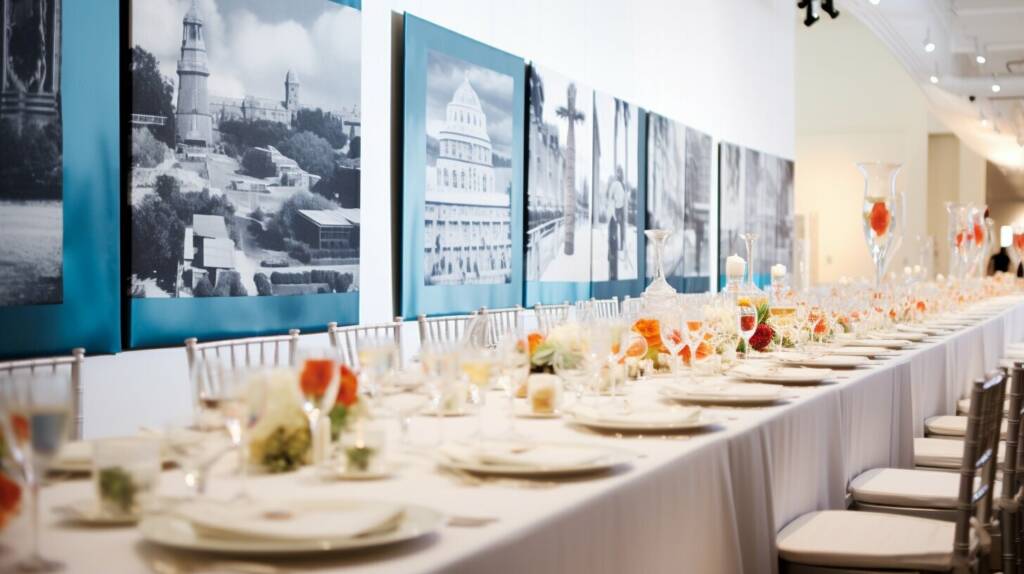
Experiential marketing is a growing trend in the events industry, as it allows attendees to interact with brands in a more engaging way. This approach involves creating immersive experiences that leave a lasting impression on attendees. For example, you could set up a pop-up shop that showcases your brand’s products in an interactive and visually appealing way. Alternatively, you could create a themed experience that takes attendees on a journey, allowing them to learn more about your brand in a fun and engaging way.
Interactive Entertainment
Gone are the days of static entertainment options at events. More and more, attendees are looking for interactive experiences that they can participate in. From virtual reality games to immersive theater performances, there are plenty of ways to engage attendees and keep them entertained throughout your event. By incorporating interactive elements into your event, you can create a truly memorable experience that attendees will be talking about for years to come.
Personalization
Personalization is becoming increasingly important in the events industry, as attendees expect a personalized experience that caters to their individual preferences. By creating personalized experiences for attendees, you can not only improve their event experience but also build stronger relationships with them. This could include anything from personalized welcome gifts to customized menus that cater to attendees’ dietary restrictions.
Sustainability
Sustainability is a growing trend in the events industry, as more and more people become conscious of their impact on the environment. By incorporating sustainable practices into your event planning, you can demonstrate your brand’s commitment to sustainability and appeal to attendees who share those values. This could include using eco-friendly materials for decorations and giveaways, serving locally-sourced and organic food, and reducing waste through recycling and composting.
Themes
Themes are a classic way to add some fun and excitement to your event. Whether it’s a masquerade ball or a beach party, a well-executed theme can transport attendees to another world and create a sense of excitement and anticipation. When choosing a theme, it’s important to consider your audience and the purpose of the event. A theme that is a good fit for your brand and attendees can help to reinforce your brand messaging and create a memorable experience for everyone involved.
Corporate Boutique Events
Corporate events are an ideal opportunity to showcase your brand to clients, partners, and employees. By opting for a boutique approach to corporate events, you can create an exclusive and personalized experience that aligns with your brand identity and values. Here are some key factors to consider when planning corporate boutique events:
Target audience
As with any event, understanding your target audience is critical to the success of your corporate boutique event. By defining your audience, you can tailor the event to their preferences and expectations. For example, if your event caters to corporate clients, you may choose a formal theme that aligns with their business culture. Alternatively, if your audience comprises younger professionals, you may opt for a more casual and contemporary approach.
Venue selection
The venue you choose for your corporate boutique event will set the tone for the entire experience. Consider unique, non-traditional venues that can provide a memorable backdrop for your event. This could be a museum, art gallery, or an outdoor location that offers a stunning vista. By carefully considering the venue, you can create a unique and memorable experience that reflects the branding of your company.
Creative event elements
Boutique events provide an opportunity to showcase your creativity and uniqueness. Consider incorporating interactive elements that allow attendees to engage with your brand, such as live demonstrations, workshops, or backstage tours. Additionally, consider integrating technology into the event, such as augmented reality or projection mapping, to create a unique and immersive experience.

Creating a successful corporate boutique event requires a high level of attention to detail and careful planning. By focusing on your target audience, venue selection, and creative elements, you can create an exclusive and personalized experience that aligns with your brand identity and values.
Boutique Event Planning FAQ
Planning an event can be a daunting task, and boutique event planning comes with its own unique set of challenges. Here are some frequently asked questions that can help you understand the process better:
What is the typical budget for a boutique event?
The budget for a boutique event can vary greatly depending on the scope of the event and the level of customization required. However, boutique events tend to be more expensive than traditional events due to their exclusive nature. It is best to discuss your budget and expectations with your event planner to determine what is feasible.
How far in advance should I start planning a boutique event?
It is recommended that you start planning a boutique event at least six to twelve months in advance, especially if it is a large-scale event or involves multiple locations. This allows sufficient time for brainstorming, vendor selection, and contract negotiation.
How do I select the right vendors for my event?
When selecting vendors for a boutique event, it is important to consider their reputation, experience, and portfolio. You should also evaluate their communication skills, responsiveness, and willingness to work within your budget and timelines. Your event planner can provide recommendations based on your specific needs and preferences.
How do I ensure that my event reflects the local culture and traditions?
Researching the local culture and customs is essential to creating an authentic and memorable event. Your event planner can help you identify local traditions and incorporate them into the event program and decor. Collaborating with local vendors and suppliers can also add local flavor to the event.
How do I ensure that my event stands out from others?
Personalization and creativity are key to making your boutique event stand out. Consider incorporating unique elements like interactive activities, immersive environments, and unconventional themes. Staying up-to-date with industry trends can also help you create a one-of-a-kind event experience that attendees will remember.
What technology should I use to streamline the planning process?
There are various technology tools you can use to streamline the boutique event planning process. Online project management software, virtual meeting platforms, and mobile event apps can help you collaborate with team members, communicate with vendors, and manage event logistics in real-time. Your event planner can recommend the best technology solutions based on your needs and preferences.