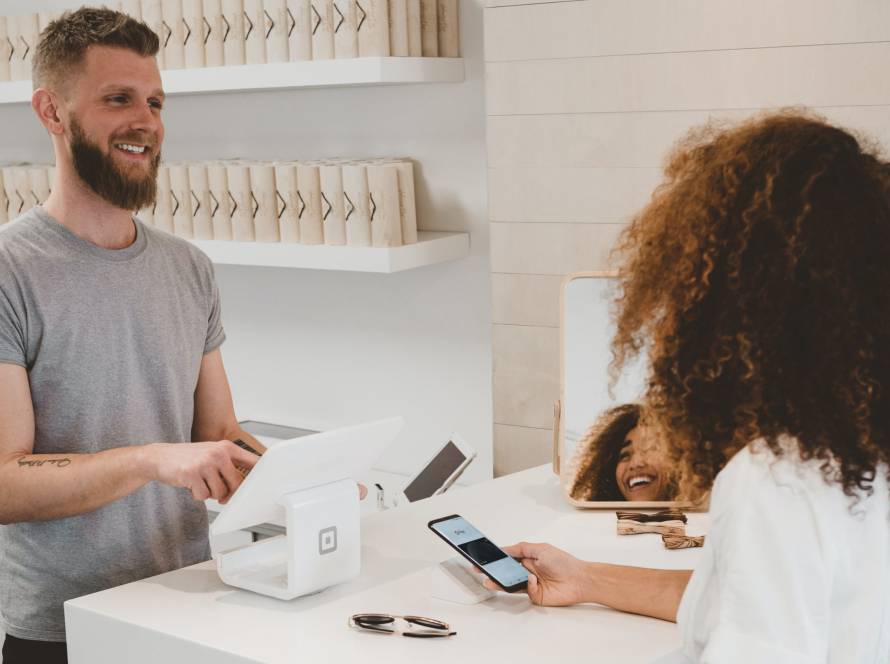
In today’s fast-paced marketing landscape, crafting memorable brand experiences is essential for capturing audience attention and building enduring connections1. Customized experiential marketing events stand out by offering personalized, interactive, and immersive brand interactions. These events, when infused with surprise and delight, can turn a routine meeting into an experience that sticks with attendees, boosting brand loyalty and advocacy.
Experiential marketing campaigns focused on surprise and delight deeply engage consumers, tapping into their emotions and making a lasting impact1. By providing sensory-rich, hands-on experiences, brands establish a real bond with their audience. This leads to long-term buying habits and strengthens brand loyalty. Such events are a prime chance for brands to display their creativity, authenticity, and adaptability, enhancing the event experience for all attendees.
Key Takeaways
- Customized experiential marketing events captivate audiences and boost brand engagement through immersive, interactive experiences.
- Surprise and delight tactics, such as personalized elements, can foster a genuine connection between the brand and its audience.
- Experiential marketing campaigns that prioritize surprise and delight can engage consumers on a deeper level, shaping long-term buying behaviors and building brand loyalty.
- Customized events offer a unique opportunity to showcase a brand’s creativity, authenticity, and flexibility.
- Leveraging technology and personalization can enhance the overall experience and create lasting impressions for attendees.
The Art of Surprise and Delight
Surprise and delight marketing is a strategic approach aimed at captivating customers with unexpected, personalized experiences. This tactic fosters strong emotional connections, boosts customer loyalty, and sets brands apart in a competitive market2. Studies show that such campaigns significantly enhance customer engagement and brand loyalty2.
Understanding the Concept of Surprise and Delight
At its core, surprise and delight marketing is about creating moments that surprise and delight customers, making them feel valued and appreciated. Brands achieve this through authenticity, creativity, and flexibility, crafting unique experiences that deeply resonate with their audience3. By offering unexpected rewards, gifts, or discounts, brands can forge emotional connections and lasting impressions3.
Authenticity, Creativity, and Flexibility
Authenticity is key in successful surprise and delight strategies, as customers can quickly spot and respond to genuine efforts. Brands must leverage their creative potential to develop innovative, memorable experiences that captivate their audience3. The ability to adapt to changing customer preferences and market trends is vital for the ongoing success of these initiatives3.
By embracing authenticity, creativity, and flexibility, brands can create surprise and delight experiences that deeply resonate with customers. This leads to increased engagement, loyalty, and positive brand associations3.
“Surprise and delight marketing is about creating moments that make customers feel special, valued, and eager to engage with your brand again.” – Industry Expert
Implementing Surprise and Delight Strategies
Creating impactful surprise and delight strategies requires meticulous planning and execution. Personalization is key, making each interaction unique and memorable. Timing is crucial, as surprising customers at unexpected moments can spark genuine delight and foster loyalty.4
Technology can significantly enhance the surprise factor, differentiating a brand from competitors. By offering personalized messages and exclusive deals, technology-driven engagement captivates customers, leaving a lasting impression5.
Personalization and Timing
Surprise and delight strategies excel by anticipating and meeting the unique needs of customers. By understanding their interests and preferences, brands can create personalized experiences that resonate deeply. Thoughtful surprises and timing, like sending a bonus gift or remembering a customer’s special day, can significantly impact positive feedback and deepen connections.4
Leveraging Technology for Engagement
Technology has revolutionized how brands surprise and delight customers. Interactive experiences, such as virtual reality demos or quizzes, enhance customer engagement, making the journey memorable and enjoyable.5 Personalized digital content and mobile-optimized experiences create a sense of exclusivity, fostering deeper brand connections.
Businesses using surprise and delight strategies can measure emotional impact through social media sentiment analysis, brand awareness surveys, and Customer Satisfaction Score (CSAT).6 Key engagement metrics include website visits, app downloads, social media interactions, repeat purchases, and brand mentions6.
By combining personalization, timing, and technology, brands can craft unforgettable experiences. These experiences leave a lasting impression, fostering loyalty and advocacy456.
“Underpromising and over-delivering can leave clients impressed with the service received.”4
The essence of successful surprise and delight strategies is understanding the customer, anticipating their needs, and integrating technology to create genuine delight.
Customized Experiential Marketing Events
Customized experiential marketing events are crafted to captivate and leave a lasting impression. They integrate interactive event activations for an immersive experience. By adding personalized touches and surprise elements, these events turn ordinary meetings into memorable customized brand experiences. This strengthens the bond between the brand and its audience. Such personalized brand environments can manifest as pop-up installations, sensory campaigns, or unique immersive consumer engagement activities. Each aims to engage consumers deeply and meaningfully7.
Effective event-based marketing strategies focus on tailored experiences that resonate with the audience’s interests and tastes. This might include interactive components, educational activities, or innovative tech to boost engagement and excitement8.
Personalized and interactive experiences help brands build stronger connections with customers, leading to higher loyalty and advocacy. Customized experiential marketing events also offer a chance to gather valuable customer data. This data helps refine marketing strategies and meet the audience’s evolving needs9.
| Experiential Marketing Tactics | Key Benefits |
|---|---|
| Pop-up brand installations | Spontaneity, limited-time nature, increased customer engagement |
| Sensory marketing campaigns | Immersive, memorable experiences, emotional connection with the brand |
| Branded workshops and classes | Enhanced customer engagement, educational opportunities, brand loyalty |
| Product showcases | Educating customers, driving engagement, product discovery |
| Retail brand installations | Immersive experiences, customer engagement, brand exposure |
“Customized experiential marketing events are a powerful tool for brands to create deep, lasting connections with their audience. By focusing on personalized experiences and surprise and delight tactics, brands can stand out in a crowded market and drive genuine engagement and loyalty.”
Examples of Successful Campaigns
Looking into surprise and delight campaigns, we see innovative methods that connect deeply with people. The Coca-Cola ‘Share a Coke’ campaign, with its personalized bottles, became a hit, generating social media buzz10. Apple’s mystery gifts to chosen customers also sparked excitement, boosting customer loyalty10. These actions show how surprising customers can improve their customer experience and build strong emotional ties, thus increasing brand awareness and loyalty.
Coca-Cola ‘Share a Coke’ Campaign
The ‘Share a Coke’ campaign by Coca-Cola added names to their bottles, leading to a surge in user-generated content as people looked for bottles with their or their friends’ names10. This creative approach to personalized customer experiences boosted social media engagement and brand visibility10.
Apple’s Mystery Gift Packages
Apple’s decision to send mystery gift packages to some customers brought excitement and anticipation, highlighting the brand’s innovative spirit and delighting its audience10. This personalized customer experience deepened Apple’s emotional bond with its loyal customers, enhancing brand awareness and loyalty.
“Experiential purchases create greater feelings of social connection, resulting in more sharing and bonding.”11
Brands that use successful surprise and delight campaigns in their marketing can build stronger ties with customers. This leads to more user-generated content, personalized customer experiences, and boosts brand awareness and loyalty101211.
Benefits of Surprise and Delight in Entertainment
Surprise and delight in entertainment bring numerous advantages, from building lasting brand loyalty to boosting audience engagement and creating unforgettable experiences. By adding unexpected moments of joy, entertainment providers can strengthen emotional bonds with their audience. This leads to increased loyalty and advocacy, differentiating them from competitors.
Qualtrics, for instance, granted wishes in real time at Brandweek 2019, illustrating the impact of surprise and delight13. Telfar x Rainbow surprised fans with a brick-and-mortar event during New York Fashion Week 2022, captivating the audience and generating excitement13. Such personalized and immersive experiences can deeply affect attendees.
Brands like Chewy and Tabasco have shown the value of surprise and delight through compassionate actions. Chewy refunds money for unused pet food and sends flowers to grieving pet owners, showing empathy and care13. Tabasco sent Normani hundreds of TABASCO® Minis after her hot sauce was taken away, demonstrating a swift response to customer needs13.
These acts not only delight customers but also build emotional connections, increase audience engagement, and enhance brand loyalty. Ocean Spray’s gifting of a new truck filled with cranberry juice to Nathan Apodaca after his viral TikTok video is a prime example. Such surprises create memorable experiences that resonate deeply with the audience13.
“Surprise and delight strategies aim to make customers more loyal, encourage higher spending, and stimulate word-of-mouth marketing, highlighting the impact on customer behavior and brand loyalty.”14
In the competitive entertainment industry, where online businesses face challenges to stand out and keep customers, surprise and delight strategies are crucial14. Personalized offers and exclusive events can foster one-to-one relationships with customers, boost loyalty, and generate excitement around the brand14. Random acts of kindness, like handwritten notes or going beyond for customers, can transform negative experiences into positive word-of-mouth14.
By harnessing the power of surprise and delight, entertainment providers can create emotional connections, enhance audience engagement, and cultivate brand loyalty. This approach sets them apart in a crowded market15.
Surprising and Delighting Your Audience
Crafting memorable experiences is crucial in today’s digital world. By using personalized communication and interactive experiences, brands can build strong connections. This approach fosters lasting customer engagement strategies.
Personalized Communication
Personalized communication creates a sense of exclusivity, making your audience feel valued. Addressing attendees by name and recommending content based on their interests leaves a lasting impression16. Kleenex’s ‘Feel Good’ campaign, for instance, generated over 650,000 impressions and 1,800 interactions. This shows the power of personalized marketing in delighting consumers.
Encouraging Interaction
Creating meaningful interactions at every touchpoint is vital for deepening the brand-audience connection. Features like social media polls, live chats, or quizzes enhance the experience and provide insights into audience preferences and behaviors17. Tailored content increases engagement, and analyzing data from events helps improve future campaigns.
By combining personalized communication and interactive elements, brands can surprise and delight their audience. This approach creates memorable experiences that stand out in a crowded market18. 91% of consumers feel more positively towards a brand after attending a live event. This highlights the impact of such strategies on building brand loyalty and customer engagement.
“Surprise and delight are the foundation of lasting brand-audience connections. When you make your customers feel truly special, they’ll keep coming back for more.”
Measuring the Impact
Assessing the success of surprise and delight initiatives demands a thorough examination of audience satisfaction, engagement, and brand perception. Through data-driven insights, marketers can evaluate the effectiveness and worth of their experiential campaigns19.
Data analysis, encompassing customer retention rates, social media interactions, and website traffic, offers crucial insights into the emotional response and overall experience of the audience19. Direct feedback from attendees provides qualitative insights, while tracking key performance indicators, revenue growth, and customer acquisition numbers offers a comprehensive evaluation of the campaign’s success19.
Data Analysis and Direct Feedback
Metrics for assessing the impact of experiential marketing events include attendee numbers, engagement rates, and sales conversions19. Customer feedback and attendee surveys delve deeper into the event’s effectiveness19. Monitoring leads generated and sales opportunities reveals the campaign’s potential to drive future business19.
Key Performance Indicators
Tracking social media engagement metrics like shares, likes, and mentions gauges the event’s reach and resonance19. Sales or conversions from the campaign directly measure its success19. Analyzing key performance indicators is essential for understanding the campaign’s overall effectiveness and value19.
A survey reveals that 22% of senior marketers from four main industries have not incorporated experiential or events and exhibitions in their campaigns, highlighting a significant minority yet to explore this strategy20. Among non-users, 41% cited the inability to measure its effectiveness as a primary reason, trailing only lack of experience (49%) and insufficient budget (42%)20.
Advances in technology have made it easier to collect data from experiential marketing, enabling marketers to assess engagement depth, behavioral change, and reach, and compare these with other marketing channels20. Moreover, 69% of consumers prefer brand experiences over traditional advertising, finding them more relevant and exciting21.
Marketers face challenges in presenting unified metrics demonstrating ROI due to the absence of an integrated and unified system of measurement21. However, successful campaigns like Visa’s interactive football pitch experience at the FIFA World Cup, which generated 7,920,000 engaged minutes with fans, and Jaguar’s launch of the F-Pace through an experiential event that reached a total of 935 million individuals, have shown the power of data-driven insights in highlighting the impact of surprise and delight initiatives20.
Creative Ideas for Surprise and Delight
Unleashing creative surprise and delight ideas requires a blend of innovation, flexibility, and unconventional thinking. It’s about designing experiential activations that not only captivate but also leave a lasting impact, enhancing brand authenticity22. By incorporating personalization, interactive storytelling, and multi-sensory experiences, every interaction with the brand becomes an exciting journey22.
Using cutting-edge technology-driven engagement, like augmented reality and AI, can significantly boost engagement. These technologies help create captivating brand moments that forge strong emotional bonds23. The possibilities for surprising and delighting audiences are vast, ranging from immersive experiences to interactive workshops and hands-on learning22.
| Experiential Event Examples | Interactive Elements |
|---|---|
|
|
|
|
For successful experiential activations, it’s vital to know your audience and define clear goals22. By focusing on personalization, interactivity, and the latest tech, brands can craft innovative experiences that surprise and delight. This approach fosters deeper connections and creates memorable brand moments23.
“The key to creating truly captivating brand moments is to think beyond the expected and embrace the power of surprise and delight.”
Utilizing Swag for Surprise and Delight
Swag, synonymous with surprise and delight, has evolved into a crucial element for event planners and marketers. It enables them to leave a lasting impact by offering personalized gifts, tech gadgets, and memorable keepsakes. These items help build brand recognition and loyalty24.
Personalized Gifts and Tech Gadgets
Personalized gifts show a profound understanding of the recipient’s tastes and interests, making them feel highly valued24. Tech gadgets like branded headphones, power banks, or wireless chargers bring a contemporary flair, improving the recipient’s everyday life24.
Combining personalized gifts with cutting-edge tech swag, event organizers can create moments that attendees will never forget24. This strategy not only brings joy but also amplifies the brand’s message, deepening its bond with the audience25.
Creating Lasting Impressions
Swag items can be crafted with unique and limited-edition features, sparking a sense of urgency and exclusivity among customers25. Adding interactive elements, like augmented reality or QR codes for special content, further captivates and delights the audience24.
Personalization is paramount. Using customer data to customize swag, such as monogrammed accessories or items with the recipient’s name, shows a deep grasp of their preferences24. This approach not only enriches the experience but also fortifies the brand’s relationship with its audience25.
By thoughtfully selecting and personalizing swag, event planners can forge unforgettable and enduring impressions on attendees24. This strategy can significantly boost brand recognition, increase customer loyalty, and enhance the brand’s overall presence25.
Conclusion
Customized experiential marketing events, enriched with surprise and delight strategies, have become a key method for engaging audiences. They significantly boost brand engagement and create memorable brand experiences26. Brands that focus on authenticity, creativity, and personalization build strong emotional bonds with their audience. This approach enhances audience engagement and loyalty27.
The essence of surprise and delight turns ordinary events into moments that deeply resonate with consumers26. Brands like Coca-Cola with their “Share a Coke” campaign and Apple’s mystery gifts have shown the effectiveness of customized experiential marketing events. These strategies help brands stand out, strengthen their identity, and leave a lasting impression on customers27.
Continuously innovating to surprise and delight, brands can secure their market position. They build deeper connections with consumers and increase audience engagement and loyalty beyond traditional marketing methods2627.